World Pulses Day: A Reminder of What’s Possible
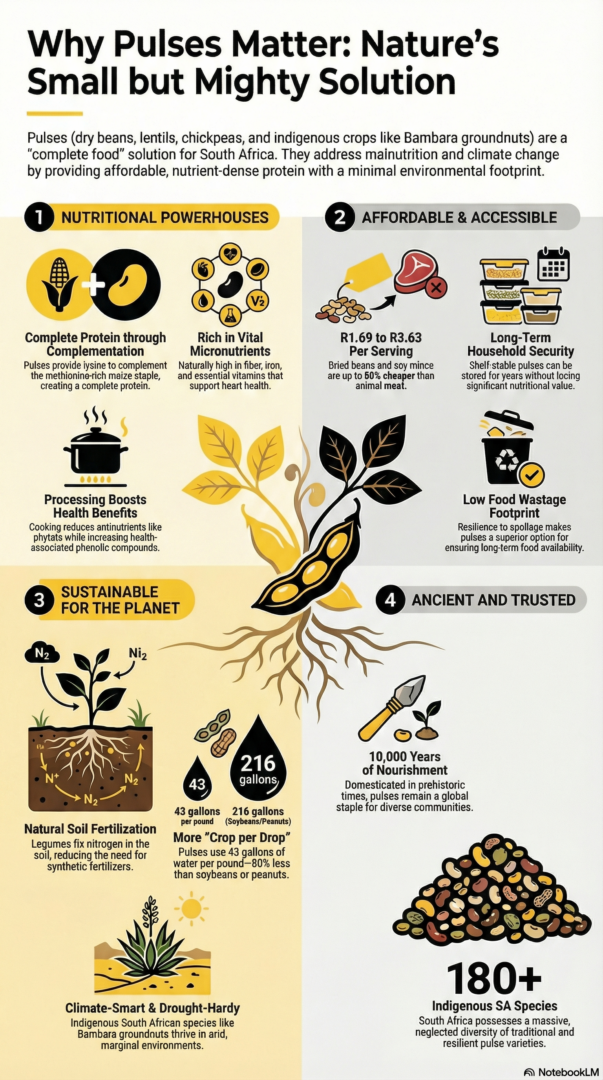
Designated by the United Nations in 2019, World Pulses Day (February 10) highlights the critical role of pulses – beans, lentils, chickpeas, and peas – in nutrition, sustainable agriculture, and food security.
The 2026 theme, “Pulses of the World: From Modesty to Excellence”, reflects how these humble seeds have transformed from low‑cost staples into recognised superfoods for modern, healthy, and sustainable diets. It reminds us that the solution to hunger can be as small as a seed – but our collective action must be massive.
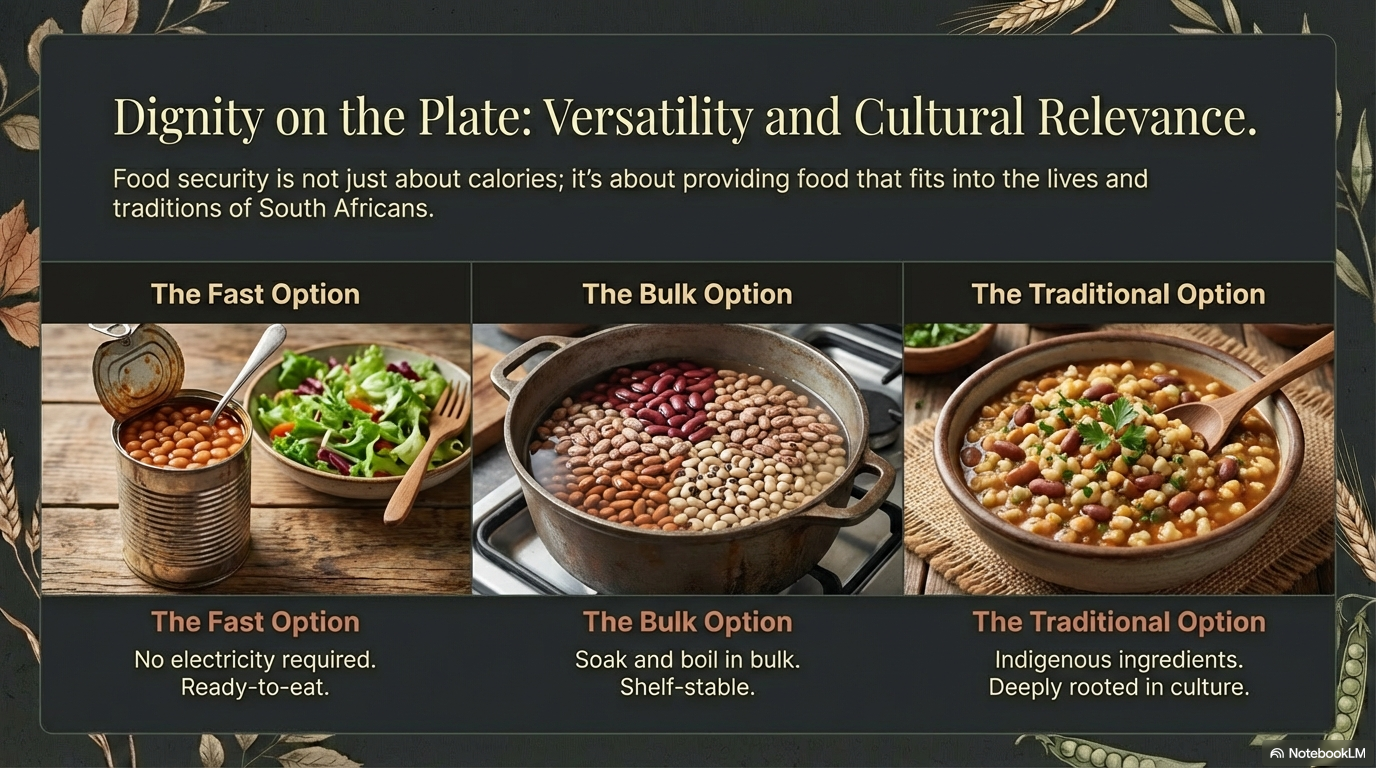
Easy to Cook, Easy to Use
One of the greatest advantages of pulses is their simplicity in the kitchen:
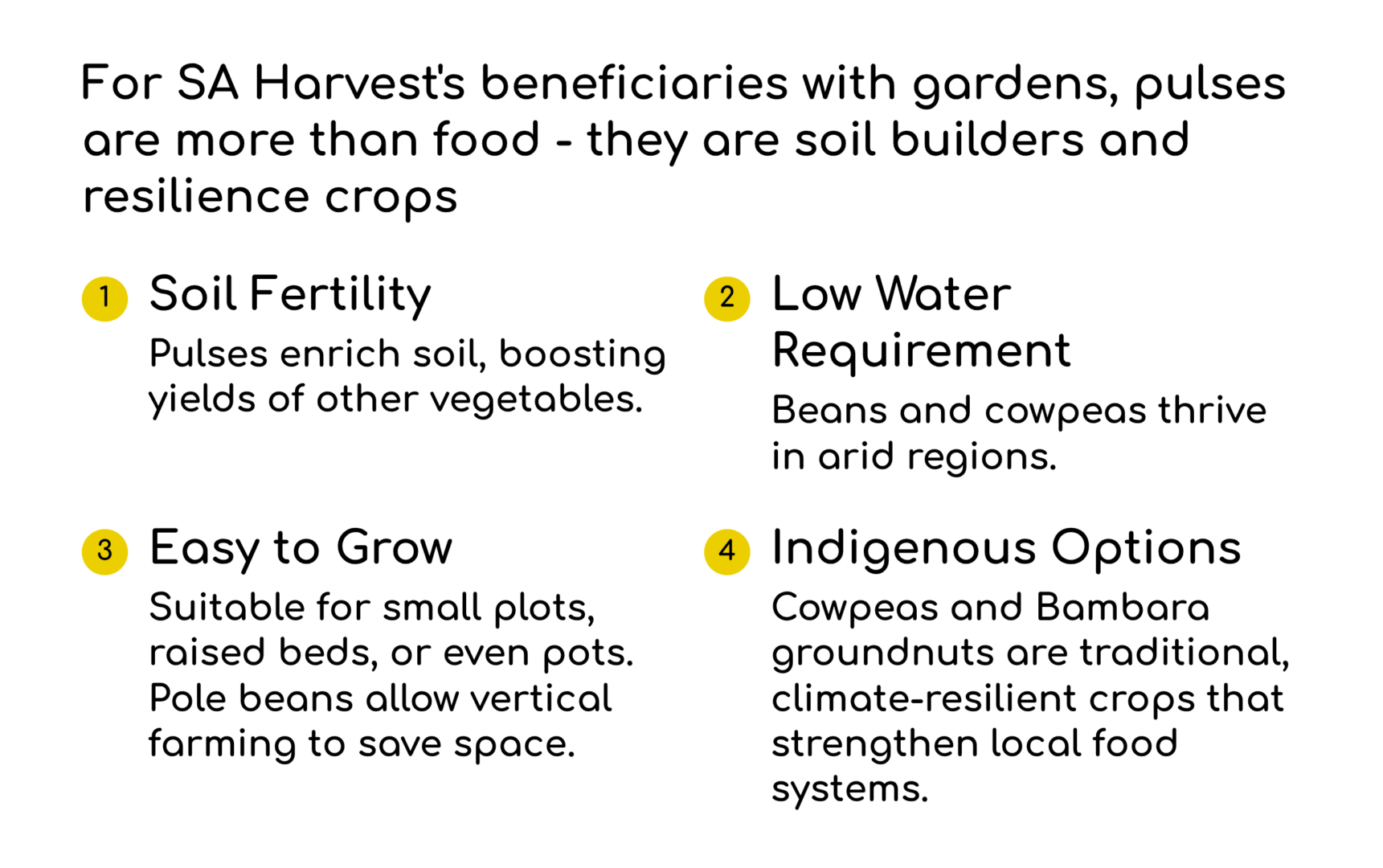
Cultivation in Community Gardens
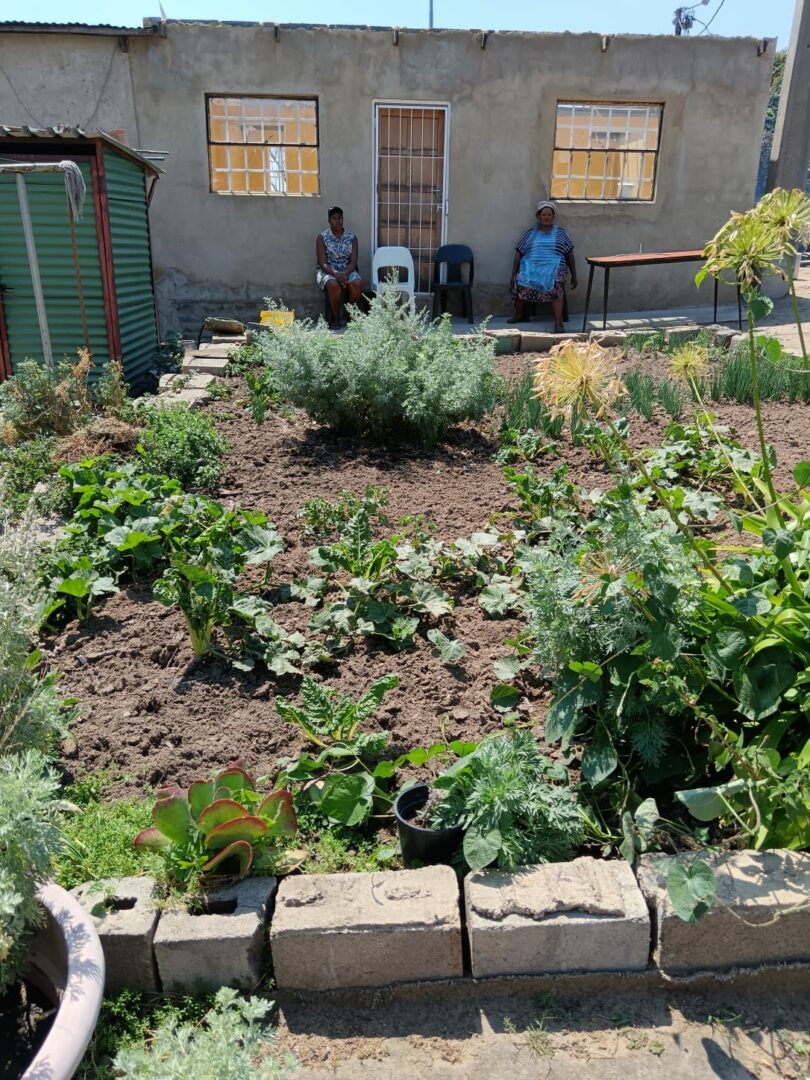 A vegetable garden at Omusa, a soup kitchen in Alexandra Township, Johannesburg, demonstrates the potential for growing pulses alongside other crops, transforming donated seeds into sustainable food sources for the community.
Every donated seed becomes more than a meal. When planted, it multiplies into sustainable harvests that build resilience and dignity for communities.
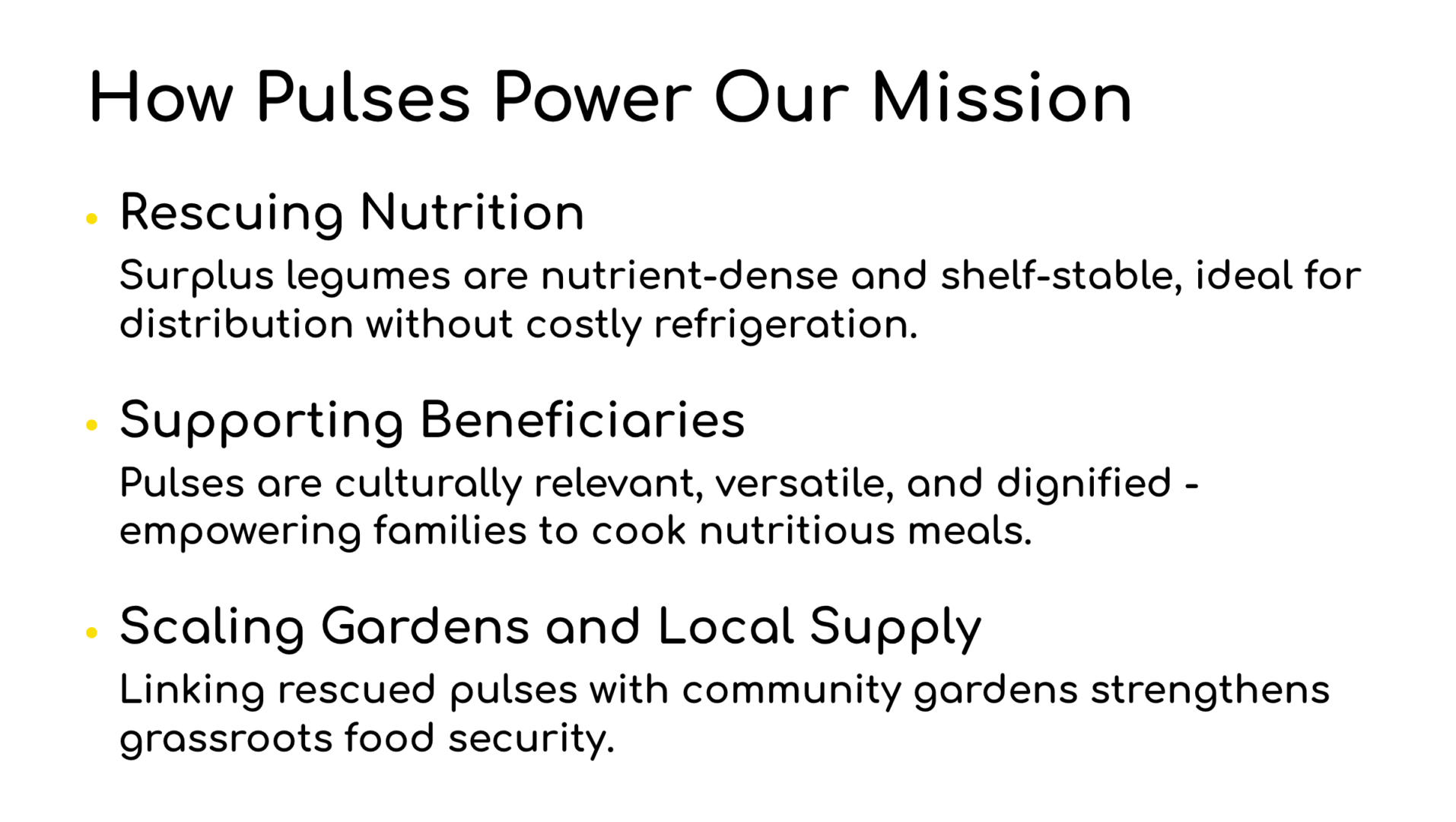
Connecting the Dots: The SA Harvest Mission
South Africa produces enough food to feed its people, yet millions go hungry. SA Harvest bridges this gap by rescuing surplus food and delivering it to communities. Pulses fit perfectly into this mission.
A Whole‑of‑Society Approach
Ending hunger cannot be left to the government alone. The failure to convene the National Council on Food and Nutrition Security has left a gap that NGOs, donors, and communities must fill. Food rescue is a “double‑duty action”: it reduces waste while directly tackling hunger and malnutrition.

Donors
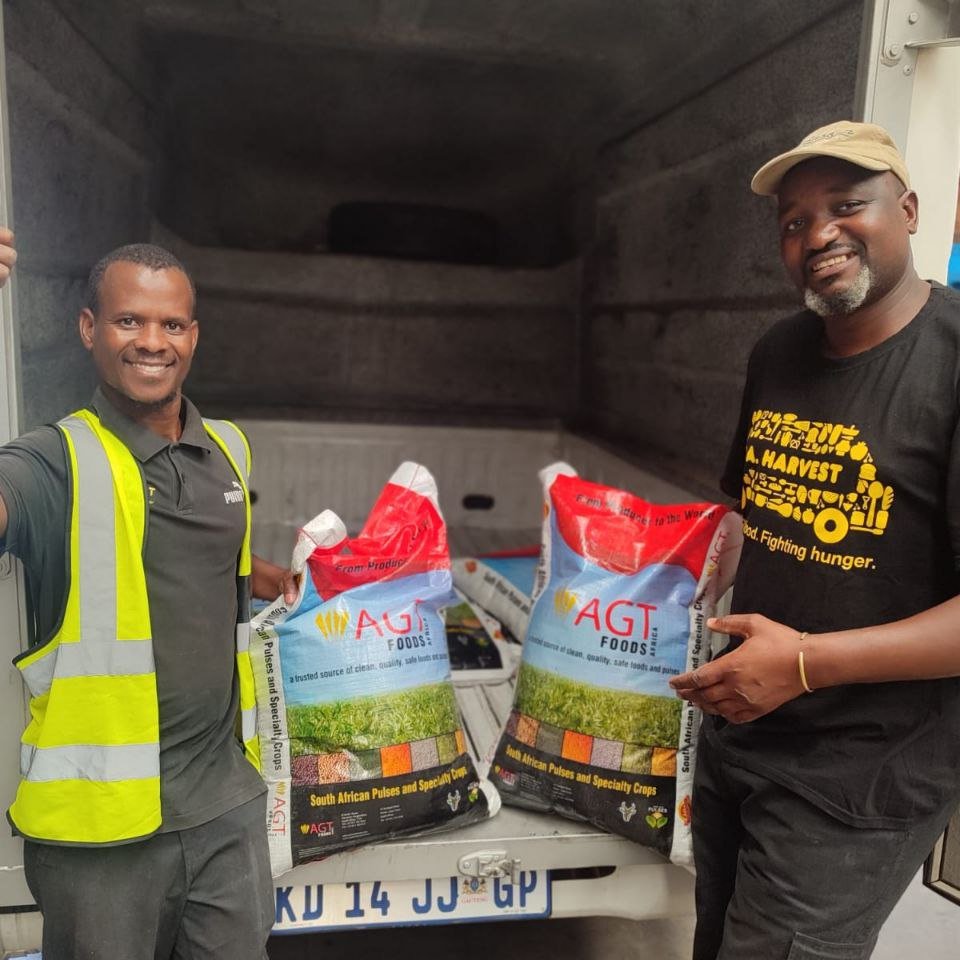 Pulses donations from AGT Foods
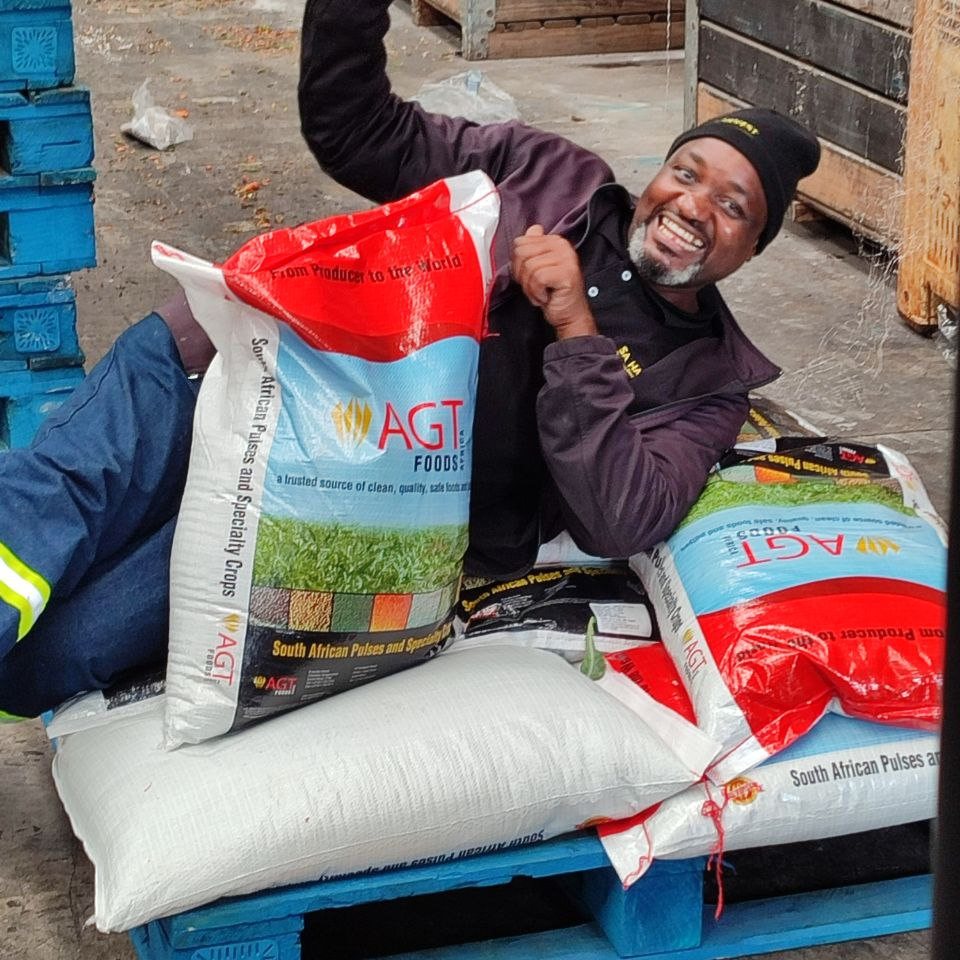
Your support bridges the food gap. Social grants often fall below the food poverty line, forcing families to choose between medicine and meals. Investing in food rescue multiplies impact. Every rand fights waste and feeds people. On National Pulses Day, we celebrate partners like AGT Foods, whose generosity ensures that these humble seeds reach communities where they make the biggest difference. Their support helps us turn rescued food into nutritious meals that fight hunger across South Africa, one delivery at a time.
Public
Hunger is often hidden. Check in on staff, neighbours, and students. Advocate for better food policies and support food rescue initiatives.
Beneficiaries
By cooking pulses or cultivating them in gardens, families can reduce expenses, improve nutrition, and build resilience.
National Pulses Day and the Power of Pulses
National Pulses Day reminds us that pulses are super‑nutrient foods – rich in protein, fibre, and essential vitamins – yet they remain under‑consumed in South Africa. Affordable, climate‑smart, and easy to cook, they are a simple way to fight hunger and malnutrition.
By making pulses part of our daily diets, we can strengthen food security and restore dignity. For SA Harvest, every rescued bag of beans or lentils is more than a meal – it’s a step toward ending hunger, one delivery at a time.