Skip to content

Newsletter Articles

Engen Is Powering the Future of South Africa’s Food Security

By

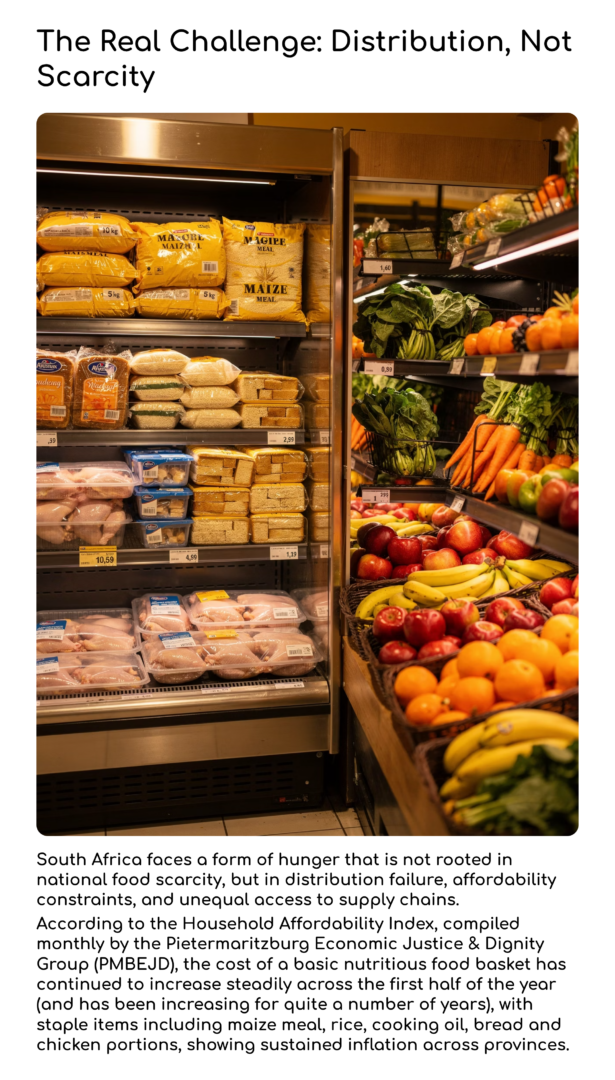
The long and the short is that the data shows that the cost of a basic nutritious food basket has been rising across provinces throughout 2025. Meanwhile, the majority of low-income households spend more of their income on food than on any other category, yet still fall below the minimum threshold required for a balanced diet. The PMBEJD food basket reports also indicate that nutrition has become economically inaccessible for most households, particularly single-income and child-headed homes.

This trend is occurring alongside a paradoxical reality: South Africa wastes approximately 10 million tonnes of edible food each year. This means hunger in South Africa is not a production deficit, but a logistics and affordability deficit. If food cannot move efficiently, it cannot feed.
Evidence shows food affordability is worsening faster than networks can absorb demand
The PMBEJD reports are highlighting a massive concern: that households are purchasing fewer items and lowering nutritional diversity, often relying on starch-heavy combinations that suppress micronutrient intake.
These shifts are occurring at the same time as humanitarian demand intensifies. Food redistribution organisations report that requests for assistance are expanding faster than existing delivery networks. This creates a risk: hunger growth may exceed fleet capacity.
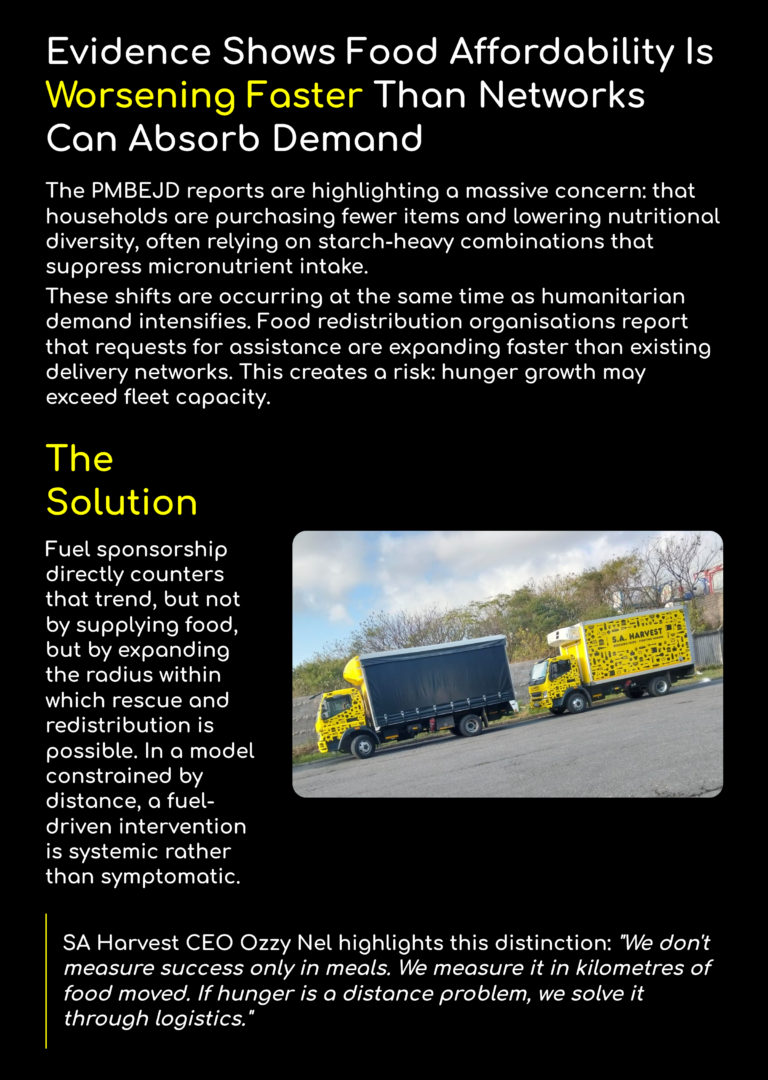
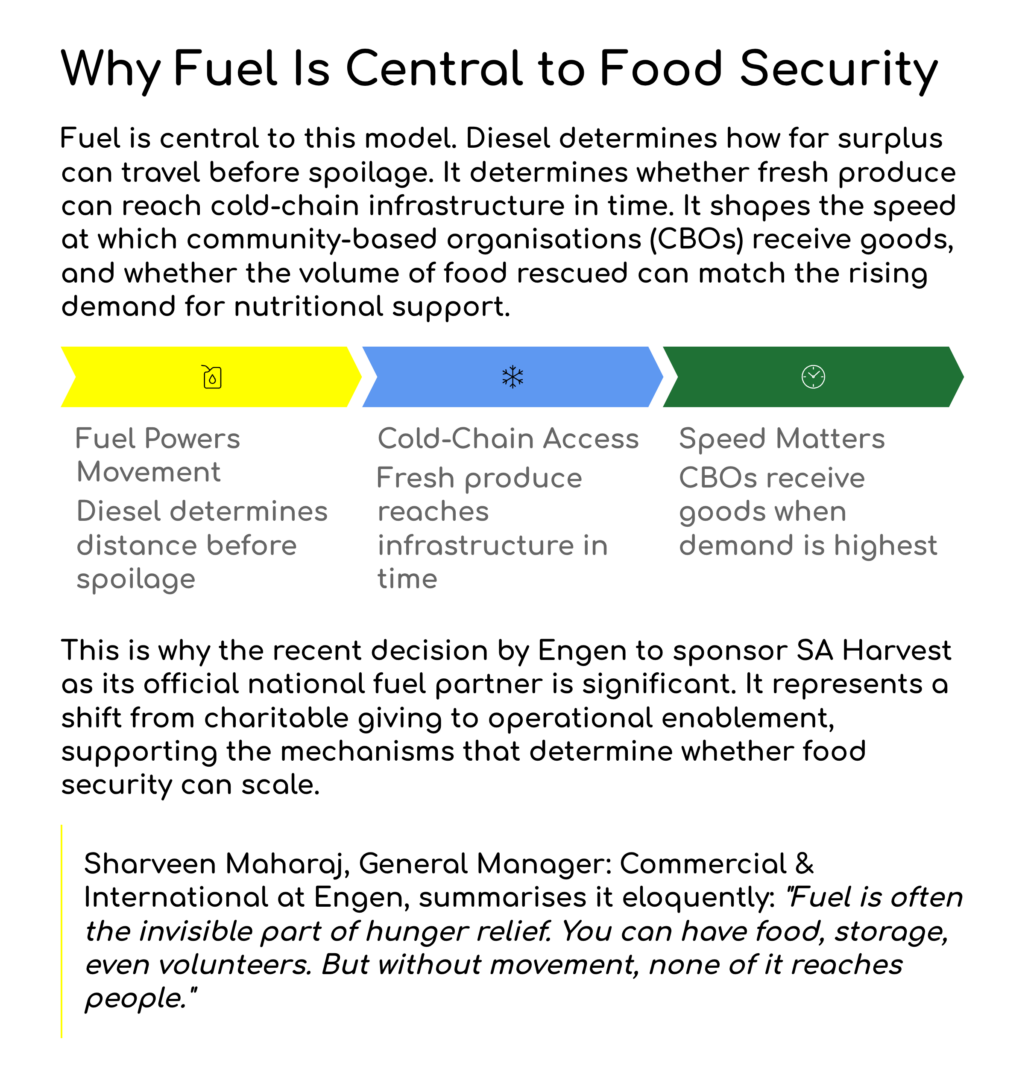
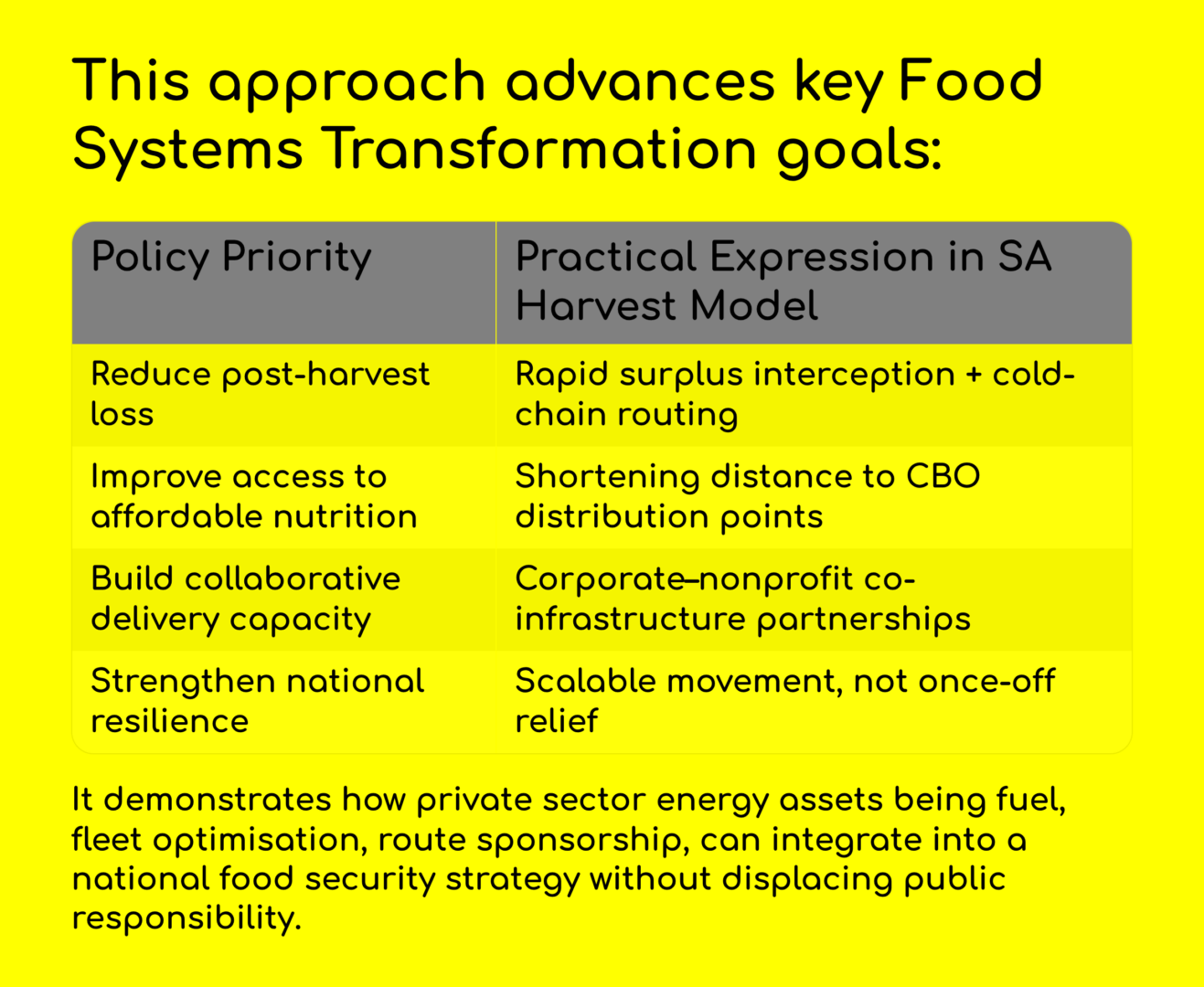
Fuel sponsorship directly counters that trend, but not by supplying food, but by expanding the radius within which rescue and redistribution is possible. In a model constrained by distance, a fuel-driven intervention is systemic rather than symptomatic.
SA Harvest CEO Ozzy Nel highlights this distinction: “We don’t measure success only in meals. We measure it in kilometres of food moved. If hunger is a distance problem, we solve it through logistics.”

Positioning within national and global policy shifts

The 2025 G20 Johannesburg Declaration emphasised resilience-building, equitable access to nutrition, and private-sector participation in food system transformation. The Engen–SA Harvest partnership aligns organically with this framework, without relying on it for legitimacy.

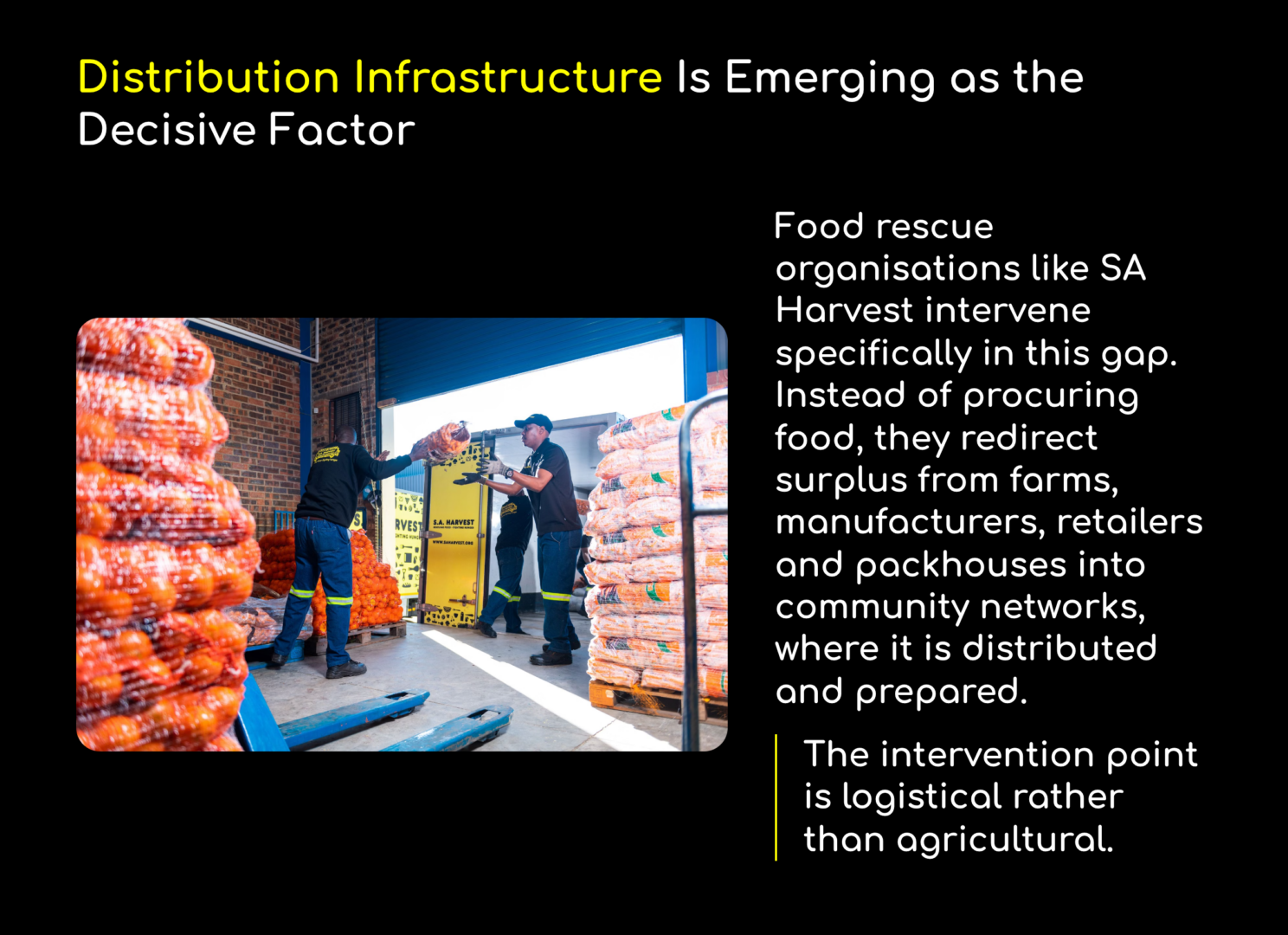
Instead of funding consumption, the model supports flow, enabling the redirection and supply of food, and as a result it supplies infrastructure that moves food.
This approach advances key Food Systems Transformation goals:
Policy Priority	Practical Expression in SA Harvest Model
Reduce post-harvest loss	Rapid surplus interception + cold-chain routing
Improve access to affordable nutrition	Shortening distance to CBO distribution points
Build collaborative delivery capacity	Corporate–nonprofit co-infrastructure partnerships
Strengthen national resilience	Scalable movement, not once-off relief
It demonstrates how private sector energy assets being fuel, fleet optimisation, route sponsorship, can integrate into a national food security strategy without displacing public responsibility.

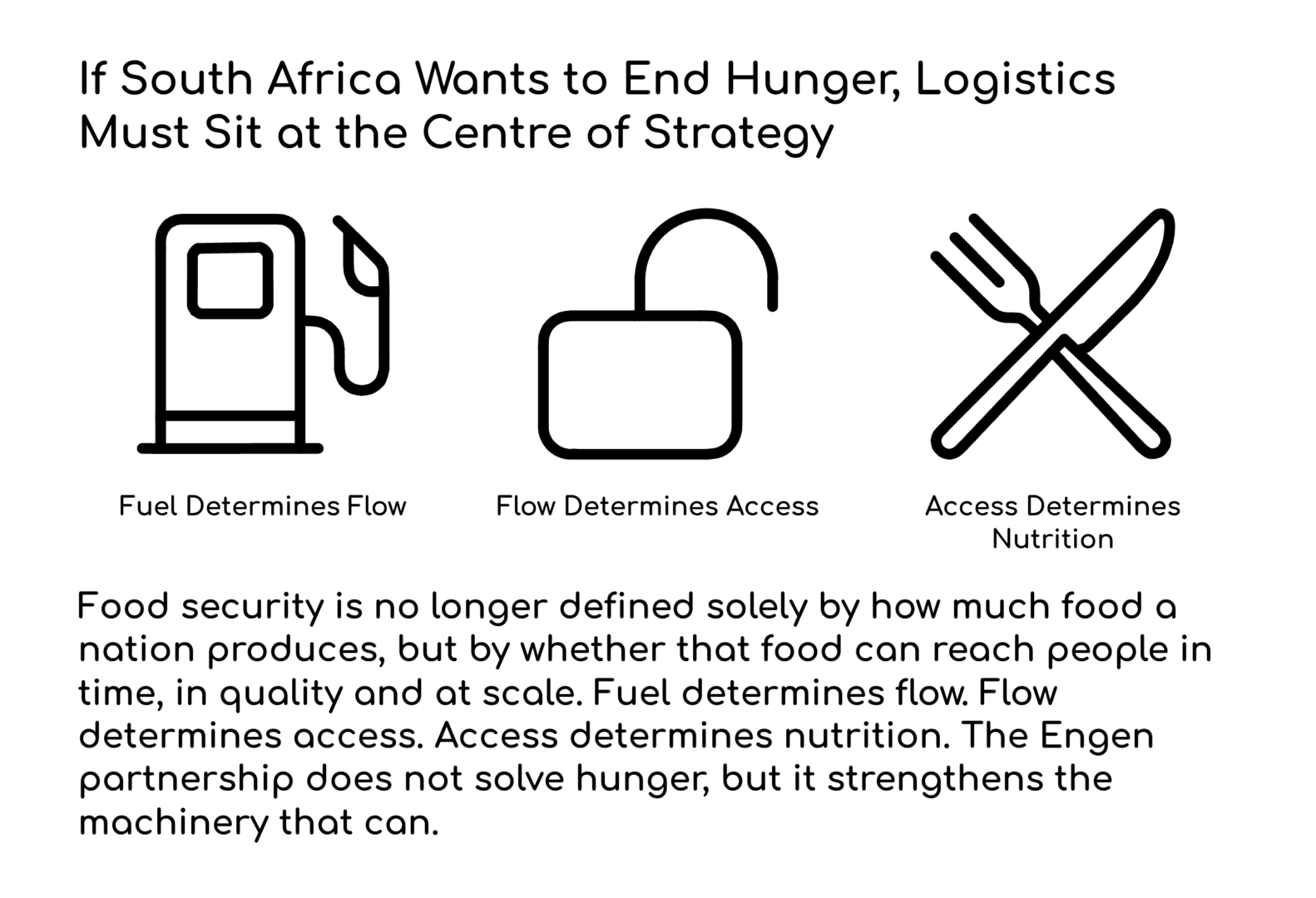
If South Africa wants to end hunger, logistics must sit at the centre of strategy
Food security is no longer defined solely by how much food a nation produces, but by whether that food can reach people in time, in quality and at scale. Fuel determines flow. Flow determines access. Access determines nutrition. The Engen partnership does not solve hunger, but it strengthens the machinery that can.
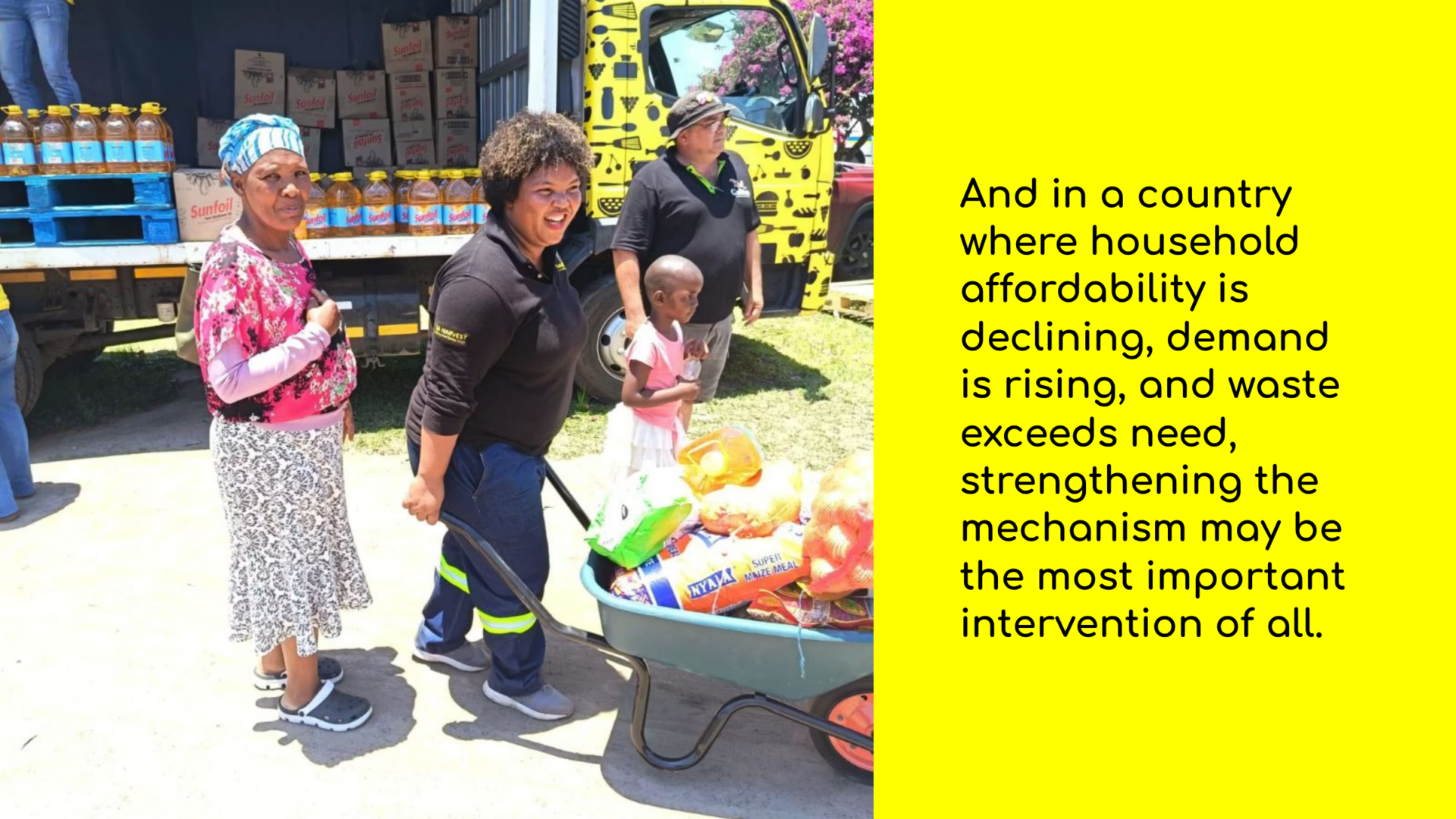
And in a country where household affordability is declining, demand is rising, and waste exceeds need, strengthening the mechanism may be the most important intervention of all.
Sign up to our newsletter sign up